

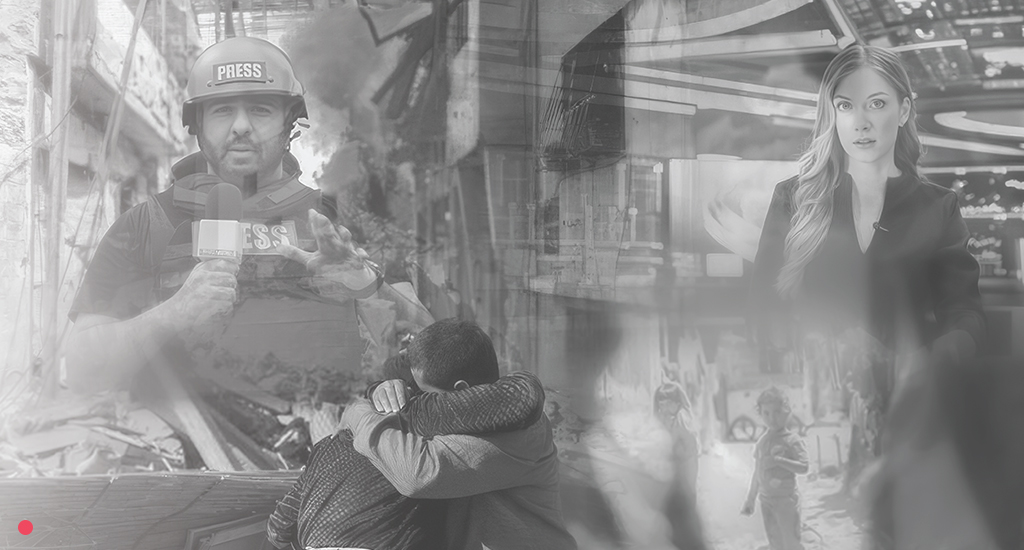
In every humanitarian movement, there has always been a powerful, often invisible partner: Media. Not just a witness, but a messenger. A force that shows what most of the world would not otherwise see.
Getting the right message out is never simple. Over the years, media has played the role of a messenger, not always perfect, but often essential. A way to carry stories across borders, spark awareness, and bring distant realities closer to those who can help.
Table of Contents:
- The Age of Ink
- The Rise of Broadcast
- The Internet Era
- The Social Wave: Everyone is a Broadcaster
- The Immersive Future
- Final Thoughts
The Age of Ink:
Before the world could see a crisis, it had to be told. In 1906, American journalist Ida Tarbell used nothing but her pen to expose unfair labour conditions and corruption tied to powerful institutions. Her investigative work, serialized in magazines, sparked public outrage, and influenced policy change.
There were no visuals but only pages of careful reporting. But those words travelled far pushing decision-makers to act.
The Rise of Broadcast:
Fast forward to 1984. Michael Buerk of the BBC stood in Ethiopia, knee-deep in a famine zone. What he filmed emaciated children, hollow eyes, the silence of hunger was almost too much for television yet it aired anyway.
Getting that footage was not easy. Government suspicion, logistical chaos, and the ethical weight of showing suffering all loomed large. But it reached homes around the world. And it struck chords.
“It was transmitted by 425 television stations worldwide and gave birth to world fundraising in a way that we had never seen before”
That one report catalysed the global Live Aid movement, raising over $125 million. It proved that seeing suffering made it impossible to ignore.
The Internet Era:
When the 2004 tsunami hit the Indian Ocean, the media moved faster than ever before. Aid agencies updated websites in real-time. News sites ran live donation banners. Emails flooded inboxes around the world.
But the rush came with chaos. Duplicate reports, unverified death tolls, and misinformation spread alongside the truth. Still, the digital network held. In just 24 hours, $1 billion was pledged. Media became a bridge between heartbreak and help.
The Social Wave: Everyone is a Broadcaster:
In 2015, a photo of 3-year-old Alan Kurdi, a Syrian refugee, lying lifeless on a beach went viral within hours. It was not just media outlets that spread it but millions of people, sharing it on timelines, feeds, and group chats. Within just 24 hours of the image’s circulation, it had appeared on over 20 million social media accounts.
The photo shocked the world into attention. It stirred outrage, donations, and urgent conversations on refugee policy. Social media made sure no one could look away.
The Immersive Future:
Imagine standing in a refugee camp, hearing a child’s voice guide you through her daily life. That is what “Clouds Over Sidra,” a UN VR project, did. It transported donors into the world of a Syrian refugee, not through a screen, but through experience.
The technology was expensive. Not everyone could access it. But for those who did, the impact was unforgettable. Donors felt the difference. They gave more, stayed involved longer. The line between media and empathy blurred.
Final Thoughts:
Throughout the years, every medium has had its obstacles, delay, censorship, ethical dilemmas, technical limits. But time and time again, media broke through. Because when people are shown the truth, in print, on screen, through lenses or headsets, they act.
The tools will keep evolving. But the mission stays the same: tell the right story, to the right hearts, at the right time.
And that story? It is still being written.